Baby Great White Shark Baby Great White Shark Pup
The mysterious beginnings of these ocean experts.
There is so much more to baby sharks than just the song (and sorry if we've given you an earworm, it really is an addictive tune…doo, doo, doo, doo, doo, doo). For thousands of years, sharks have fascinated humans; with their strength, their reputation and of course, their mystery. But how much do we know about their lives before they become the adult apex predators of the ocean? It turns out, very little.
Here are some truly eye-opening facts about this astonishing creature's mysterious gestation process and early years…
Enigma of the Great White
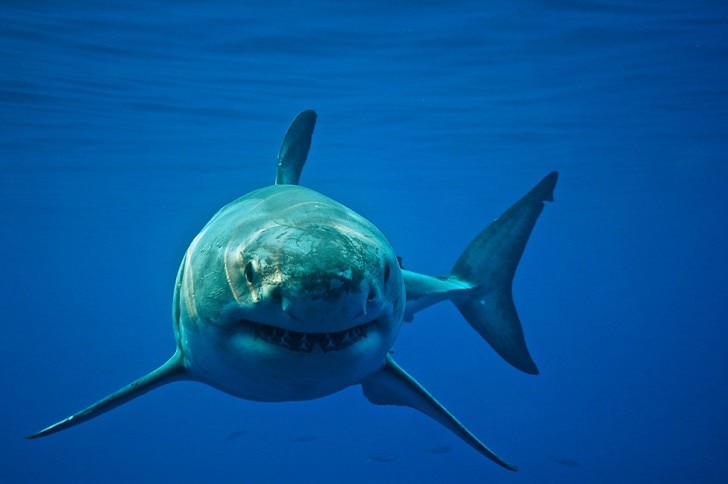
The great white sharkCarcharodon carcharias is easily one of the most recognisable species of shark – and yet knowledge of them is incredibly scant. This is truly remarkable, considering these creatures can be more than 6m long and weigh over 2,000kg. However, they're incredibly adept at hiding themselves, mainly due to their colouration, which makes them difficult to make out from above and below – and they're also known to retreat to very deep water, where they're almost impossible to track.
Their behaviour is hard to predict, too, as they adopt seemingly random pathways across the oceans. These differ between males, females, and juveniles: some will hug the coastline, some choose to stay in the wider ocean, with no consistency. As a result, scientists aren't even sure how many white sharks exist, but it's agreed they're a vulnerable species with their numbers decreasing.
Remarkably, they've never been documented mating or giving birth, however it's thought they go to deep waters in the Pacific Ocean to mate. Their gestation period is estimated to be around 12 months, but very little is known about where the females deliver the pups. This giant of the deep guards its secrets well!
Nursery time
Considerably smaller in size, scalloped hammerhead sharksSphyrna lewini average around 3m in length and 100kg in weight. They give birth in coves, shallow areas along the coastline where food is abundant (mainly crustaceans) and which also provides shelter from larger predators that lurk in the open water. The pups are born after 9-12 months gestation and there can be up to 30 in a litter, although the average is 17. Once delivered, they're on their own, learning to hunt in the shallows for three years or so, before braving the wider ocean.
Scalloped hammerheads have a relatively slow rate of growth, with the male taking 6-9 years to mature. They're currently classified as "critically endangered" on the IUCN Red List, so the conservation of these sharks has never been more important. In part, their population has been reduced due to many getting caught in gillnets and suffocating, but it's also thought they only breed every second year, rather than annually. All this means it's vital that scientists continue to follow and study these incredible animals to ensure numbers are being accurately tracked. Where better to start than in a shark nursery?
Early developer
Sharks have long been put into the 'scary' category, along with other animals such as snakes and spiders, but is this really fair? These incredible creatures are often maligned simply due to the majority of the species being of the predatory persuasion; an important part of any ecosystem.
In some cases, such as baby sand tiger sharksCarcharias taurus, this predatory behaviour starts early. It's a survival of the fittest from day one for them: they compete in the womb, which results in the strongest frequently eating their siblings. Intrauterine cannibalisation, to use the correct term, means the 100mm long sand tiger shark embryos in the womb will feed on their fellow brothers and sisters until only the two biggest and strongest are left. It's not just embryos these baby sharks eat, but also the mother's unfertilised eggs which provide extra nourishment before they're born. They then emerge as stronger and healthier hatchlings who, as a result of their size, are less likely to be preyed upon.
Baby Great White Shark Baby Great White Shark Pup
Source: https://www.bbcearth.com/news/the-secret-lives-of-baby-sharks
0 Response to "Baby Great White Shark Baby Great White Shark Pup"
Post a Comment